
Why the planning happens before calving
The onset of lactation creates a sudden, very large calcium demand. A cow that has not been prepared to mobilise calcium quickly has to find it under pressure.
That is why transition strategies are pre-calving strategies. Once a cow is down with milk fever, the situation is a clinical one requiring prompt veterinary attention — it is no longer a nutrition-planning question.
Clinical and subclinical risk
Clinical milk fever is visible. Subclinical hypocalcaemia is not, which is why it is generally assessed at a herd level rather than seen in an individual cow, and why it is worth planning for even in herds that rarely see a cow go down.
How much of either sits in your herd is a question for your veterinarian and nutritionist, working from your own calving records and blood data. Herd numbers are far more useful than any general figure.
Choosing a transition strategy
Several categories of transition strategy exist, and they suit different herds, rations and systems. A product is one component of the program, not the program itself.
X-Zelit is the product we supply in this category. Vilofoss describes it as a dietary complementary feed for dairy cows that helps reduce the risk of milk fever and subclinical hypocalcaemia. Whether it suits your herd, and how it would be fed, is a conversation for your nutritionist or veterinarian using the current Australian documentation — which we can provide.
The product we supply
Where X-Zelit fits in transition-cow management
A pre-calving complementary feed, fed through the dry-cow period as one component of a transition program built with your nutritionist or veterinarian. It is not an emergency treatment for clinical milk fever.
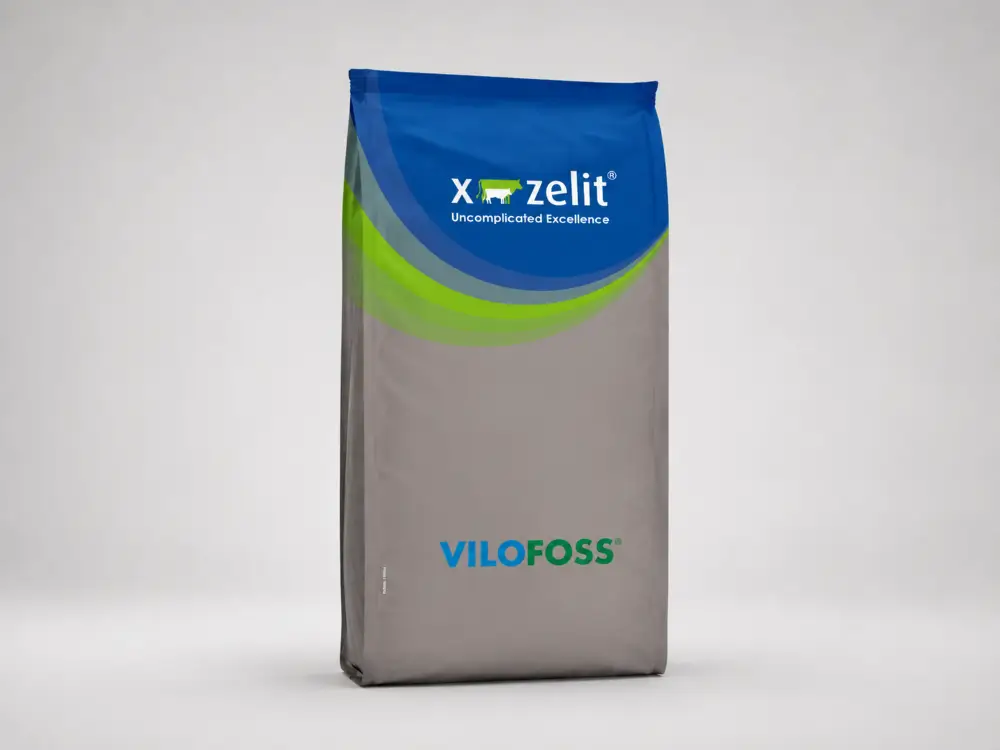
Transition cow management
X-Zelit
A pre-calving complementary feed for dairy cows, used within a planned transition program as part of a calcium-management strategy.
View X-Zelit →
Rates, directions and approved uses
Ask us for the current documents
Tell us the product and your production system, and we will send the current Australian documentation that applies to what we supply — directions, rates, approved uses and safety information.
Products must be used in accordance with current Australian labels, directions and product documentation. Information on this website is general and does not replace veterinary, nutrition or other professional advice appropriate to an individual operation.
Talk to us about transition cows.
Ask us about the products relevant to this challenge, the Australian documentation, or supply in your region.